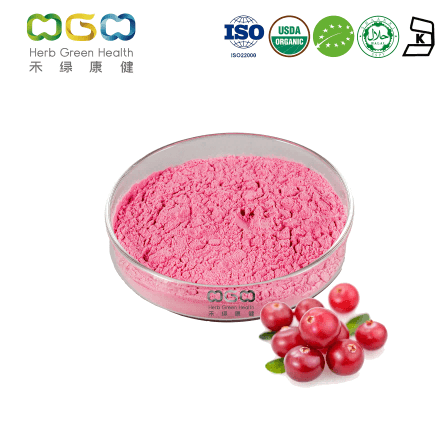



| Cranberry Extract | |||
| Product Code | C140601 | Specification | Ratio Extract; Proanthocyanidin 30% |
| Extract Source | Vaccinium Oxycoccus | Part Used | Fruit |
| Extract Solvent | Water | Assay Method | TLC |
| Character | Pink Red to Purple Red | Certification | ISO22000, KOSHER, HALAL |
| HS Code | 1302199099 | Shelf Life | 2 Years |

1、Origin of the plant
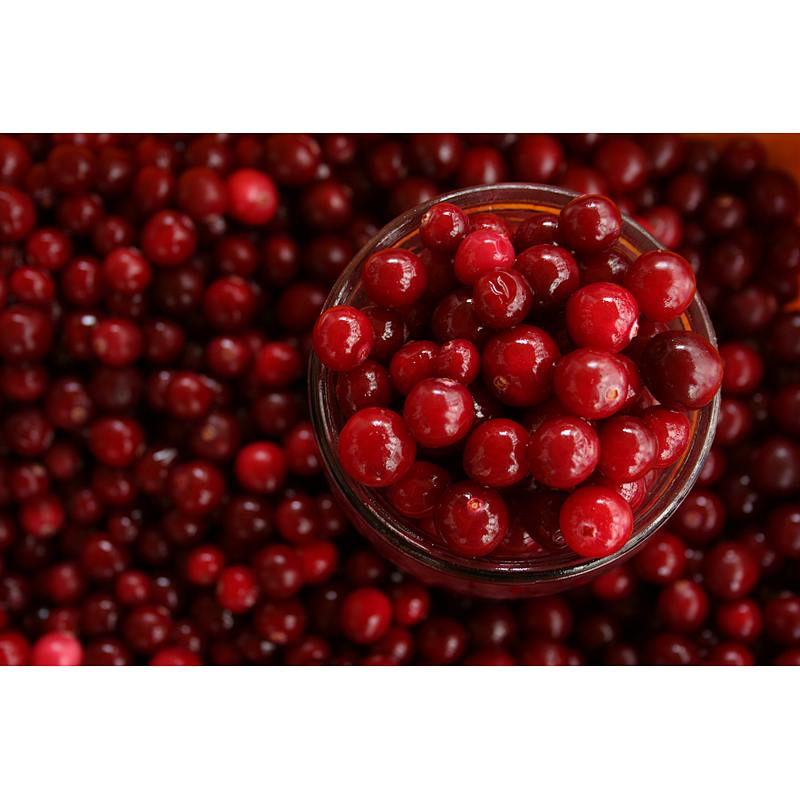
Cranberry (Cranberry) originated from the German word"kraanbere". Although the fruit originated in the boggy lands of England, it is currently the most productive and widely distributed in North America. The main varieties of cranberry are: Vaccinium erythrocarpum (southern cranberry), Vaccinium macrocarpon (large-fruited lingonberry), Vaccinium microcarpum (small-fruited cranberry moss) and Vaccinium oxycoccos (cranberry moss). The distribution in the map below shows that they are basically in the high latitudes of the northern hemisphere. The word Cranberry is actually different in different countries. The popular cranberry health products in the market are basically made from Vaccinium macrocarpon in North America.
The active ingredient in cranberry is generally most widely known as A-type proanthocyanidins, while the actual cranberry contains much more than these nutrients. The 2015~2020 Dietary Guidelines for Americans, issued by the United States Department of Agriculture, recommends cranberries as a fruit that can be consumed on a daily basis [2]:
Almost no saturated fat and no cholesterol
Very low sugar content (so fresh cranberries are very tart, and usually dried cranberries add sugar to adjust the taste)
Rich in plant fiber (about 4% in fresh fruit)
Rich in vitamins (VC, VA, VK, VE, VB, potassium, iron, calcium, pain, manganese)
Anthocyanins: one of the widely known antioxidant components, a type of polyphenol. Anthocyanins are natural water-soluble vitamins, and the current content of total anthocyanins (per 100g) in cranberry fruit ranges from 695mg to 1716mg;
Flavonols: dominated by prunetin and quercetin, the content of total flavonols (per 100g) ranges from 643mg to 1088mg;
Flavonoids: mainly represented by proanthocyanidins, which provide cranberries with outstanding antioxidant, antibacterial, anti-inflammatory and other properties. The content of total anthocyanins (per 100g) ranges from 651mg to 1109mg;
Triterpenoids: The two main triterpenoids include: ursolic acid and its isomers, and also oleanolic acid and its isomers;
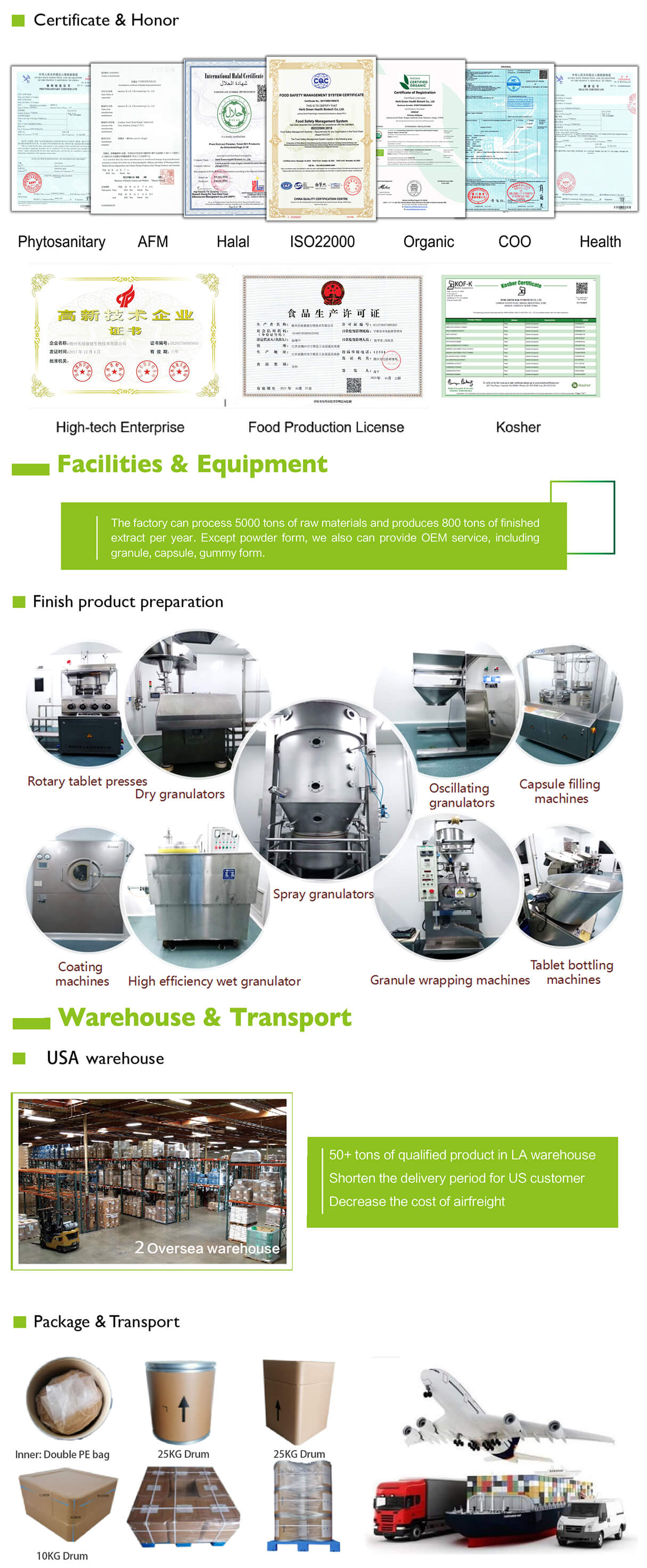
Process Flow Chart of Cranberry Extract

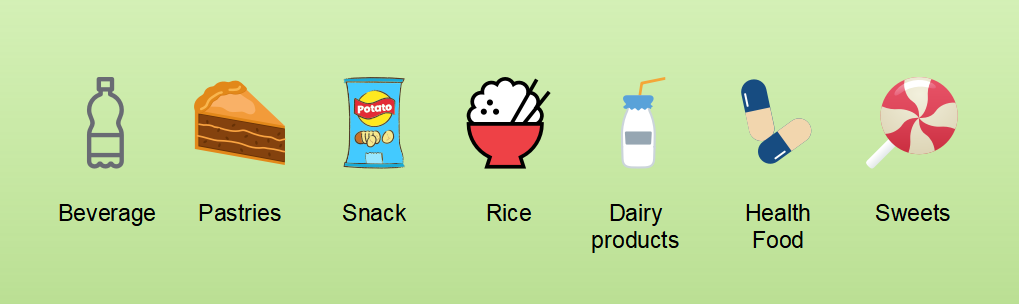
Application of Cranberry Extract
Food, Health Care, Daily Necessities, Cosmetics, Functional Drink.
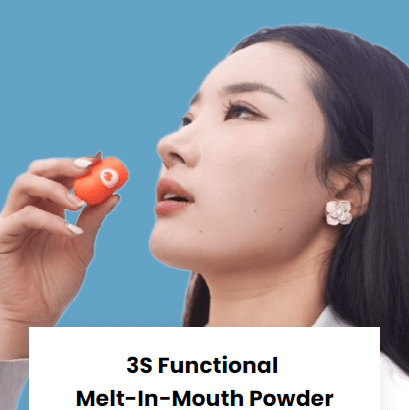 | 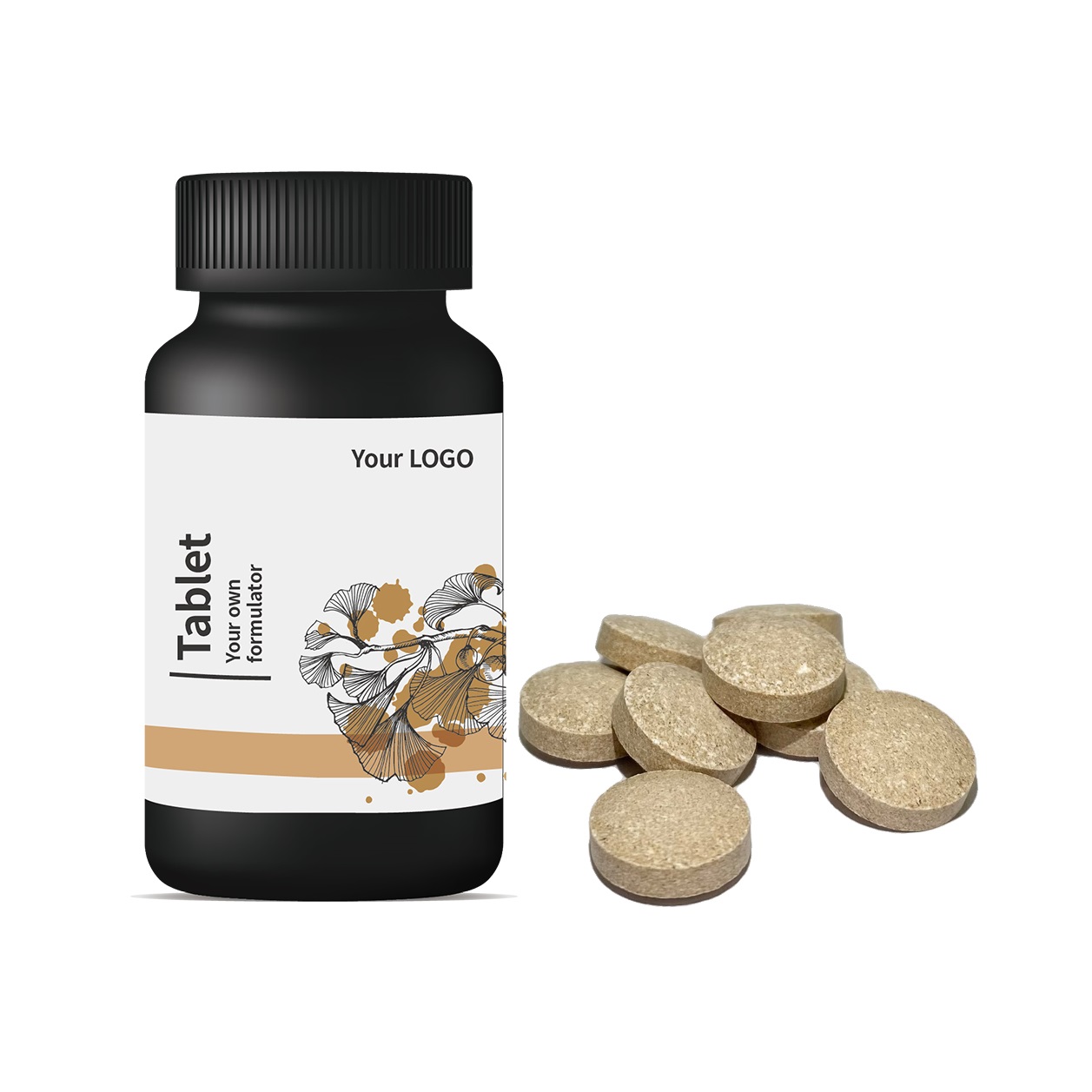 | 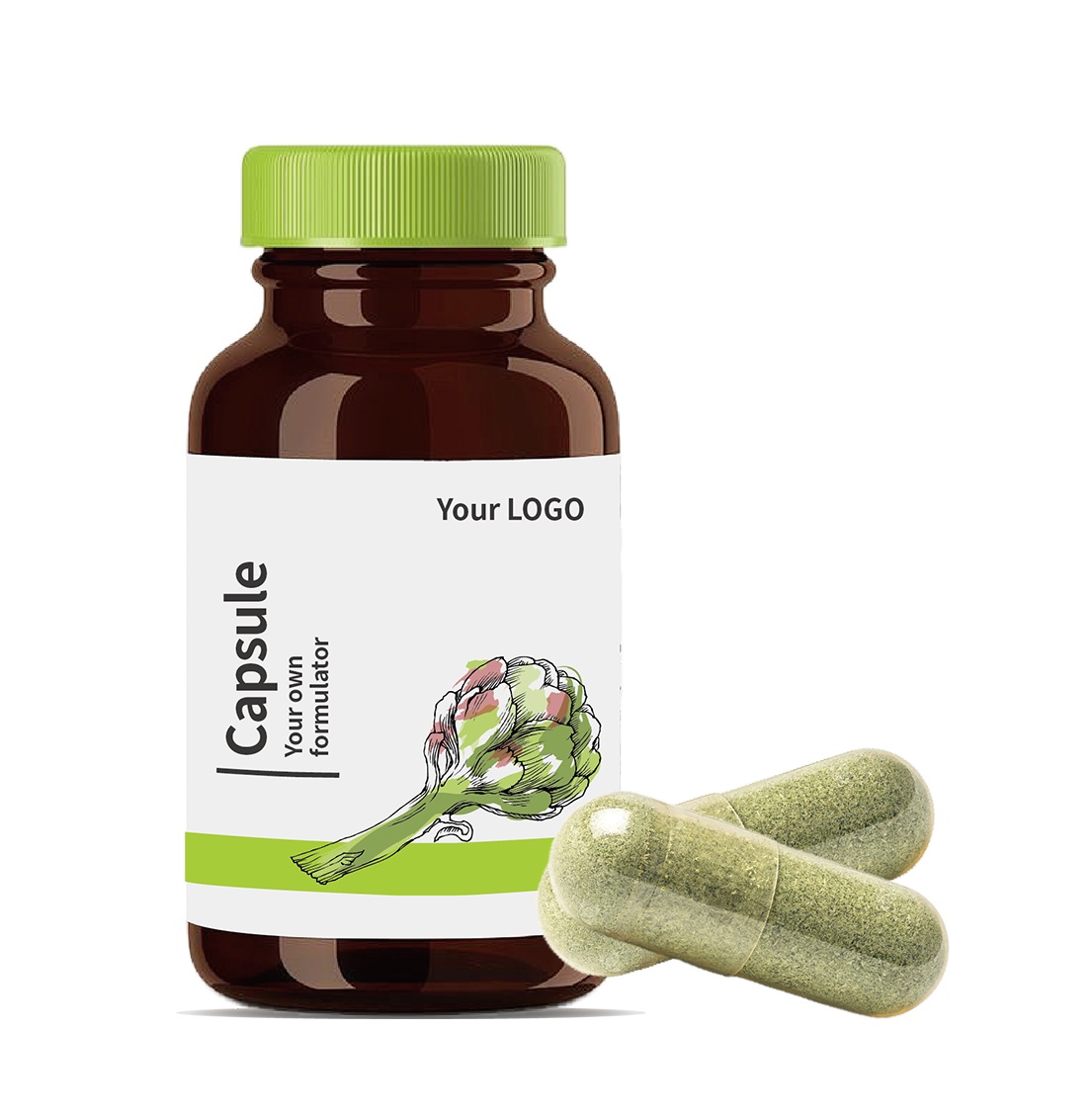 | 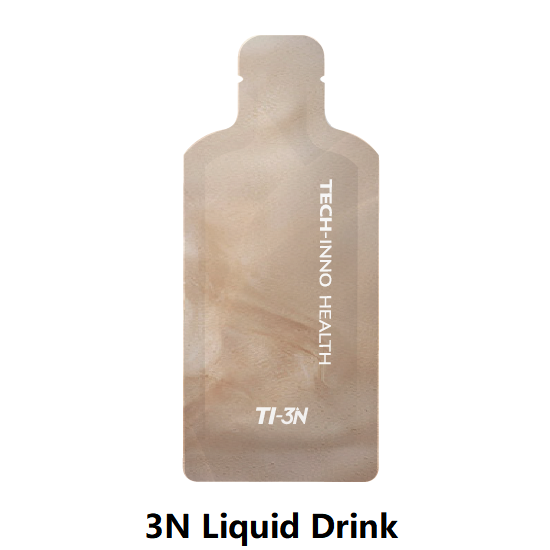 |
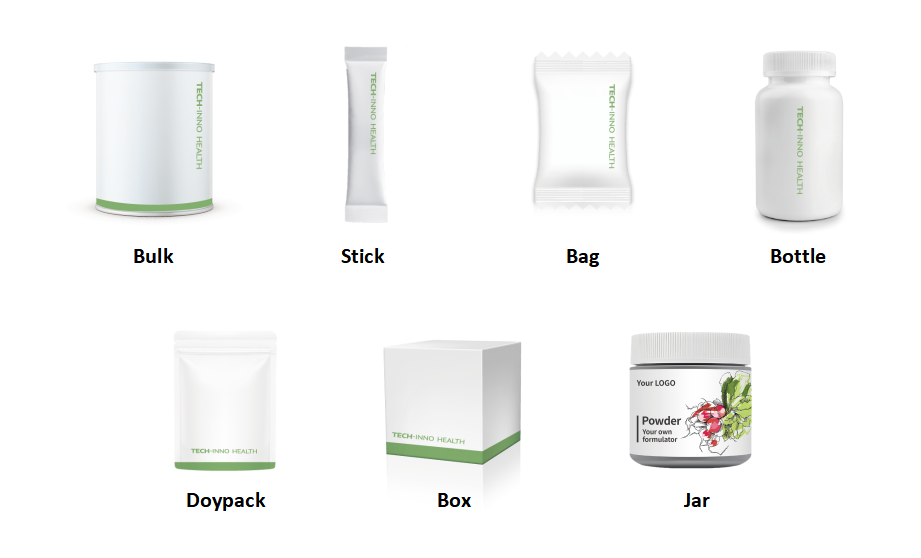
Package Of Cranberry Extract
Food Application
FAQ
Q1: What's the difference between herb extract and powder?
A: The extract is a concentrated powder form of raw material. The herb extract's procedure flow is wash, extraction, concentration, purification, drying, grinding, sieving, package. The herb powder is just a powder form of the herb. The procedure flow is wash, drying, grinding, sieving, package.
Q2: What's the extract solvent used in the procedure?
A: The extract solvent is always depending on the active ingredient in the raw material, regulation and customers' requirement. The solvents mostly used for extraction are water and ethanol. Even the solvent other than water used in the procedure, the solvent residue in the extract product also can conform with ICH Q3CR5.
Q3: Is there any other ingredient used in the product?
A: It depends. For product which is hard to be dried, we need to add some maltodextrin into the extraction solution before drying. The maltodextrin we used is food-class carrier, from non-GMO corn. We can share customer with the ingredient composition table.
Q4: How to make sure the quality of the product?
A: Firstly, every batch finish product must be tested and qualified before delivery. We can send a specification sheet or CoA for confirmation. The HPLC chromatography graph also can be provided. Secondly, we can provide pre-ship sample to customer for quality confirmation.
Q5: Can you develop a new product for us?
A: Yes, we can. We have independent R&D dept, who is able to update the procedure parameters of our main products and develop the procedure of new product. For more information, please contact us directly.
Q6: Can you offer this in capsules or tablets as well?
A: Yes, we have related equipment for preparation of finish product, like tablet, capsule and granule. Kindly contact with us for details.
Q7: What is the MOQ?
A: For most of the products we already have in stock, the MOQ is 1kg. If the product is a new specification and need to be produced from raw material, the MOQ depends.
Q8: Is there any discount?
A: Yes, for larger quantity or better payment period, we can support with better price.
Q9: How about delivery time?
A: For most products, the product can be sent out from factory in 5days. If we don't have inventory, the product need to produced from raw material, the ordinary period is 20-25days.
Q10: How do you treat with quality complaint?
A: We will always be responsible for the quality of our products. If there's a complaint, we will first assist customers to solve the most direct needs.
Secondly, we have SOP for quality complaint. QA will investigate the problem, after that we'll give customer a formal feedback about the cause of the quality issue and related precautions for this problem.
Other recommendation
| Product |
Specification |
|
|---|---|---|
| Core Products |
Black Ginger Extract |
5,7-Dimethoxyflavone: 1-20% |
| Maca Extract | Glucosinolate 0.5-2%; Total amino acid> 4% | |
| Tongkat Ali Extract | Eurycomanone 0.3-2%; Ratio Extract; Powder | |
| Black Garlic Extract | SAC 0.1-4%; Polyphenol 1-3% | |
| Rhodiola Rosea Extract | Rosavins 3%-5%, Rhodioside 1-2% | |
| Ginkgo Biloba Extract | USP42/EP10.0/CP2020, water soluble available | |
| Mulberry Leaf Extract | Rutin>0. 1%; Total Flavone >0. 1-3%; DNJ 0.8%/HPLC; DNJ 1%/HPLC | |
| Saffron Extract | Safranal 0.3% | |
| Sakura Extract | 1- O-caaffeyl -β -d-glucopyranoside 2%, Quercetin -3-O-β -D-glucopyranoside 0.1% | |
| Schisandra Berry Extract | Schisandrins 2-10%; Schisandrin A 1-4%; Schisandrin B 0.5-2% | |
| Ginseng Series | American Ginseng Extract | Ginsenosides 1-70% HPLC; Ginsenosides 1-70% UV; Polysaccharides 20% |
| Panax Ginseng Extract | Ginsenosides 1-60% HPLC; Ginsenosides 1-80% UV; Polysaccharides 20% | |
| Black Ginseng Extract | Ginsenosides 1-60% HPLC; Ginsenosides 1-80% UV; Polysaccharides 20% | |
| CLEAN-GINSENG® | Ginsenosides 4% HPLC, Solubility (20℃): ++ | |
| Korean Red Ginseng Extract | Ginsenosides 1-60% HPLC; 1-60% UV | |
| Notoginseng (Tienchi) Extract | Ginsenosides 1-80% HPLC | |
| Siberian Ginseng Extract | Total rare ginsenosides>20% HPLC (Rk2+ (S)-Rg3+ (R)-Rg3+ (S)-Rh2+ (R)-Rh2+ Rg5+ Rk1+Rk3+ (S)-Rh1+ (R)-Rh1+ Rh3+ Rh4 + (S)-aPPT+ (R)-aPPT+ (S)-aPPD+ (R)-aPPD) |
|
| Rare Ginsenosides | Eleutherosides (B+E) 0.8-1.2% | |
| Mushroom Series | Chaga Mushroom Extract | Polysaccharides 30%; Triterpene 1-10% |
| Lion's Mane Mushroom Extract | β-Glucan 1-10%; Polysaccharides 30% | |
| Reishi Mushroom Extract | β-Glucan 1-10%; Polysaccharides 30%; Triterpene 1-30% | |
| Maitake Mushroom Extract | Polysaccharides 30% | |
| Shiitake Mushroom Extract | Polysaccharides 30% | |
| Cordyceps Militaris Powder | β-Glucan 1-10%; Polysaccharides 30% | |
| Organic Products | Organic Apple Cider Vinegar Powder | Total Acid 5% |
| Organic Blueberry Extract | Ratio Extract | |
| Organic Craneberry Extract | Ratio Extract ; Proanthocyanidin 30% | |
| Organic Elderberry Extract | 25% Polyphenol; Extract Ratio: 4: 1 & 5: 1; Anthocyanins4-30%; Flavone 5%; | |
| Organic Turmeric Extract | Ratio Extract | |
| Fruit Powder | Acai SD Powder | 4:1 |
| Acerola Cherry Extract | VC 16-18%; SD Powder | |
| Aronia Extract | Anthocyanins 5-15%; SD Powder | |
| Black Currant Extract | Anthocyanins 5-35% HPLC; SD Powder | |
| Instant Tea Powder | Organic Matcha Powder | D60 500 Mesh |
| Kombucha | Freeze-dried Powder | |
| TF-Roberts® Black Tea Extract | Theaflavins≥5%, Caffeine≤6% | |
| Instant Tea PowderLion's mane extract | Instant Powder, Polyphenol>20% | |
| L-Theanine | 20-40% HPLC, Nature origin | |
Send Message
Related Products